Written By Mauricio Segura // Image By: Courtesy of the Sacramento Republic FC

Sacramento has been here before. The hope, the plans, the almost. But this time, the city’s long-awaited downtown soccer stadium in the Railyards feels less like a dream on paper and more like a second act with sharper focus and fewer illusions.
The new stadium planned for Sacramento Republic FC represents a major shift from earlier proposals that once centered heavily on joining Major League Soccer. Back in the late 2010s, Sacramento was awarded an MLS expansion slot, and a downtown stadium was part of that vision. That effort unraveled in early 2021 when lead investor Ron Burkle withdrew, effectively collapsing the MLS bid and freezing stadium momentum. What followed was a reset.
Now, the project has returned with a different tone. Instead of chasing MLS at all costs, the ownership group is building something that works first for Sacramento itself.
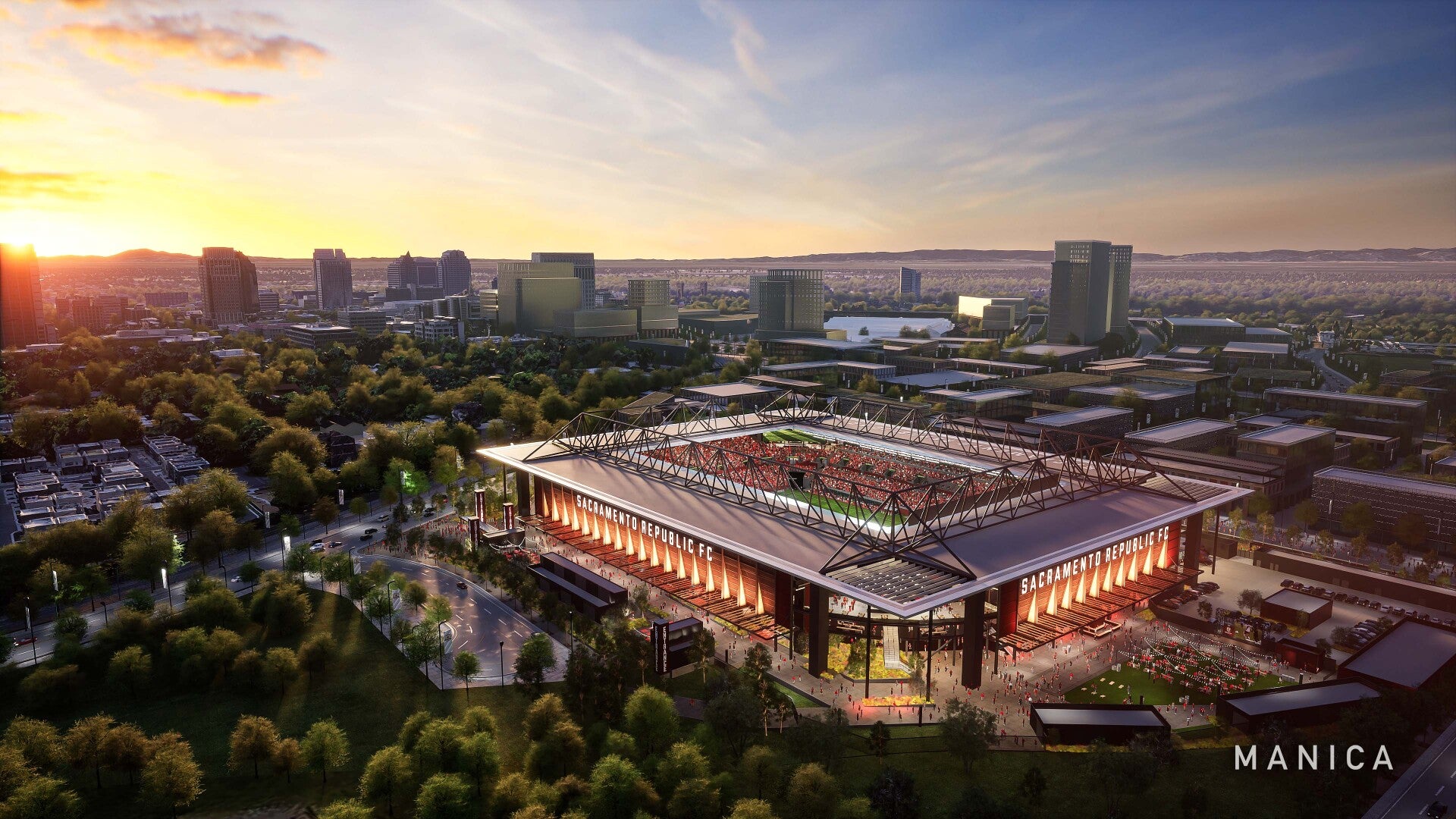
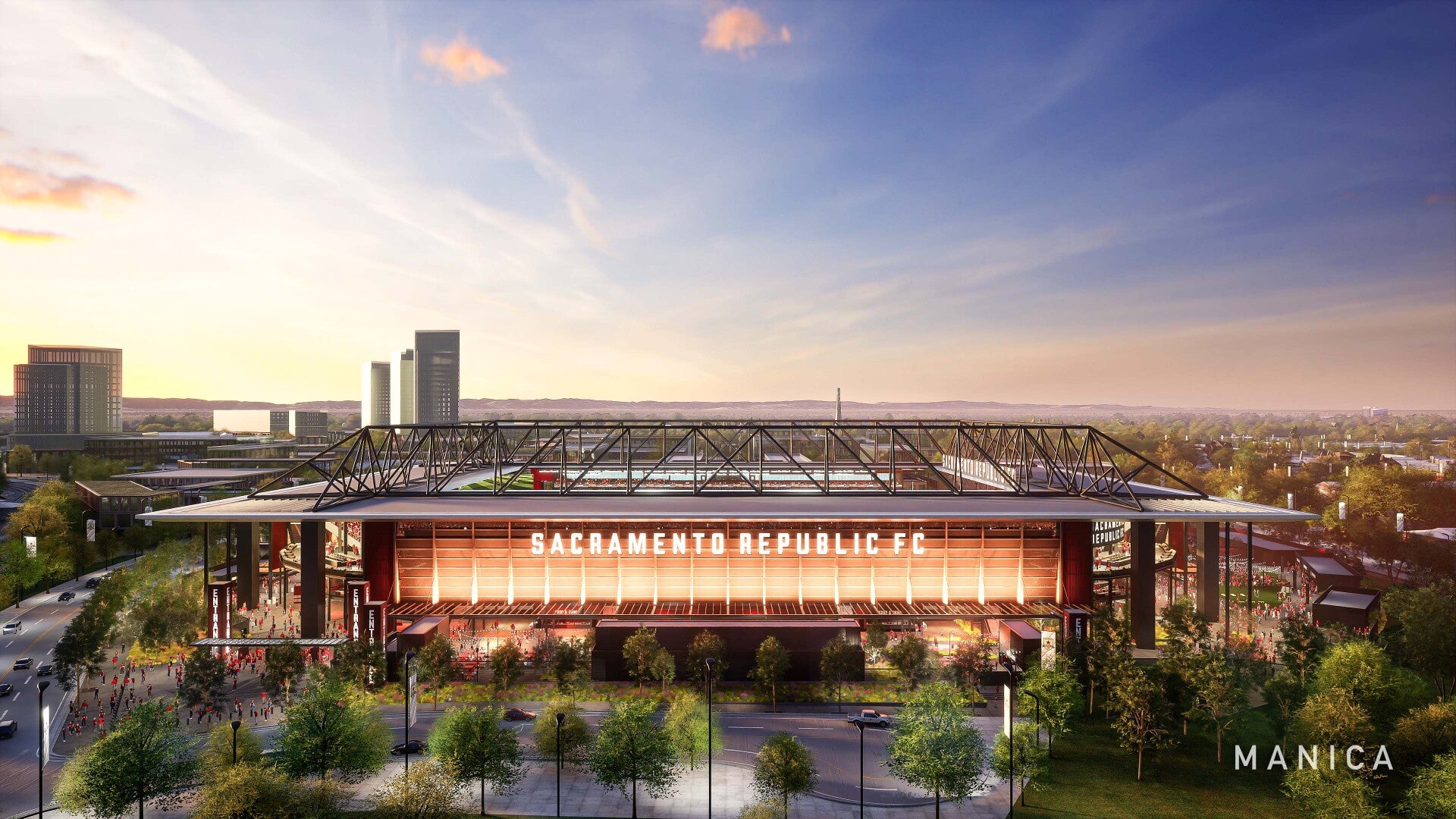
The proposed stadium site sits in the Railyards, a long-underused stretch just north of downtown that the city has spent years trying to transform. The stadium is expected to anchor that redevelopment, bringing consistent foot traffic and year-round energy to an area that has largely remained dormant despite its proximity to the urban core.
Early reports suggested a modest venue of around 15,000 seats, which aligned with Sacramento Republic’s current scale in the USL Championship. More recent plans have expanded that vision significantly, with capacity now projected closer to 20,000 to 25,000, and in some discussions approaching 30,000 when fully built out or configured for major events. That increase is not accidental. It reflects a balancing act between present reality and future flexibility. Sacramento does not want to overbuild and risk empty seats, but it also does not want to box itself out of larger opportunities, whether that means hosting international matches, major tournaments, or even leaving the door open for MLS consideration down the line.
Sacramento Republic FC has earned that kind of long view. Since launching in 2014, the club has been one of the most successful and best-supported teams in the USL Championship. They won the league title in their inaugural season and have consistently drawn strong crowds, often leading the league in attendance. The fan culture in Sacramento is not manufactured. It is loud, loyal, and deeply tied to the identity of the city.
That identity has outgrown their current home at Heart Health Park. Located at Cal Expo, the venue has served the club well but comes with limitations. It was not designed as a permanent top-tier soccer facility, and its location away from the downtown core limits its impact on surrounding businesses and development. While upgrades have been made over the years, it lacks the infrastructure and long-term vision that a purpose-built stadium in the Railyards can provide.
The new ownership group, led by businessman Kevin Nagle in partnership with Wilton Rancheria, has taken a more measured approach than the previous MLS-driven era. Wilton Rancheria, a federally recognized Native American tribe based in Sacramento County, became a key investor in the club as part of its broader push into economic development following the opening of Sky River Casino in Elk Grove. Their involvement brought not just financial strength but long-term stability and local commitment, which had been missing when the earlier MLS bid collapsed. Together, the ownership group has emphasized sustainability over splash, working closely with city officials and developers to integrate the stadium into a broader plan for housing, retail, and commercial growth in the Railyards. The goal is not just a place to play soccer, but a district that lives and breathes beyond matchday.
For Sacramento’s soccer community, the stadium represents validation. This is a city that has shown up, year after year, even after the MLS dream slipped away. Supporters have stuck with the club, and in return, the club is investing in something permanent. It signals that Sacramento Republic is not a temporary story or a stepping stone. It is part of the city’s long-term fabric.
There is still the question everyone quietly asks. Does this lead back to MLS?
The honest answer is that it keeps the possibility alive without making promises. The expanded stadium capacity and downtown location check important boxes that MLS typically looks for. But the league has grown more selective, and expansion is no longer as aggressive as it once was. Sacramento’s previous bid showed how fragile those opportunities can be when financial backing shifts.
At the same time, the USL Championship is evolving in its own right, with ambitions of becoming a more prominent and stable league in North American soccer. Sacramento Republic has been a flagship club within that structure, and there is no indication that the organization is treating USL as a temporary stop. If MLS comes back into the picture, the club will be better positioned than before. If it does not, the new stadium still makes sense.
It is also worth remembering the broader vision that once surrounded the project. Before the pandemic, there were discussions not just of MLS, but of a women’s team tied to Sacramento’s expansion bid. That effort dissolved along with the larger plan, and the NWSL ultimately placed a team in San Diego instead. The new stadium does not currently center on that same expansion narrative, but a modern venue could still open doors for future women’s soccer opportunities in the region.
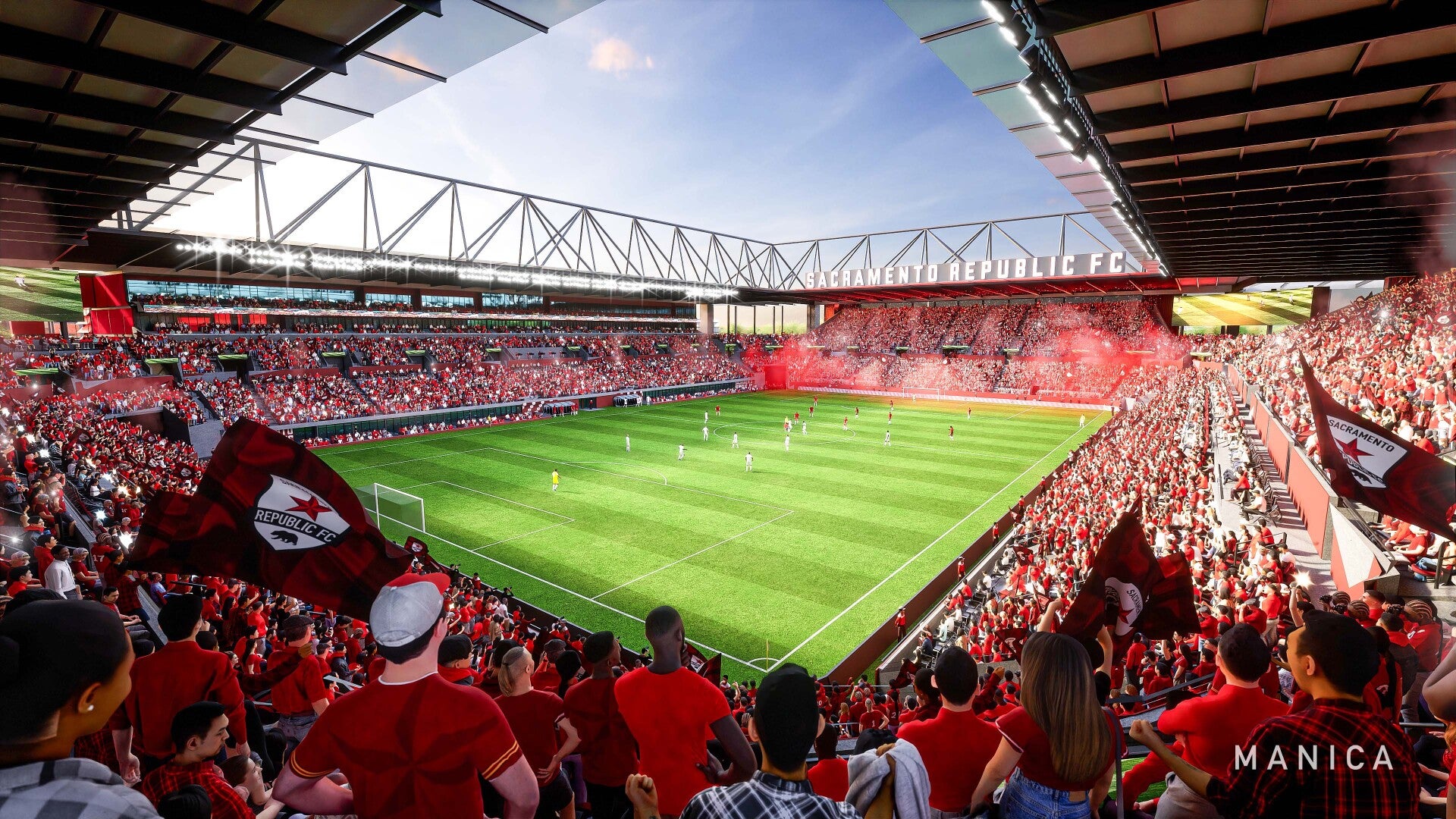
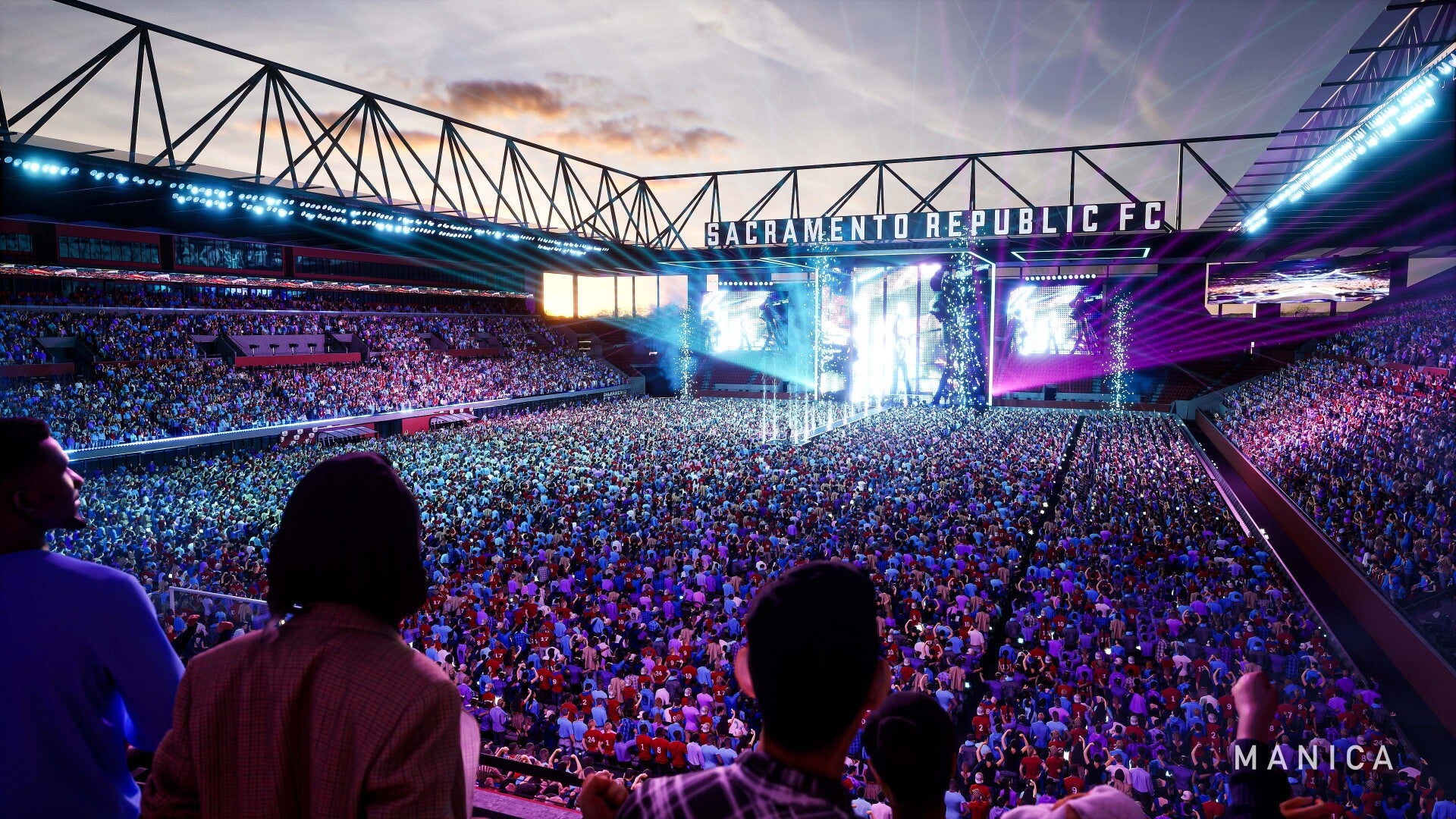
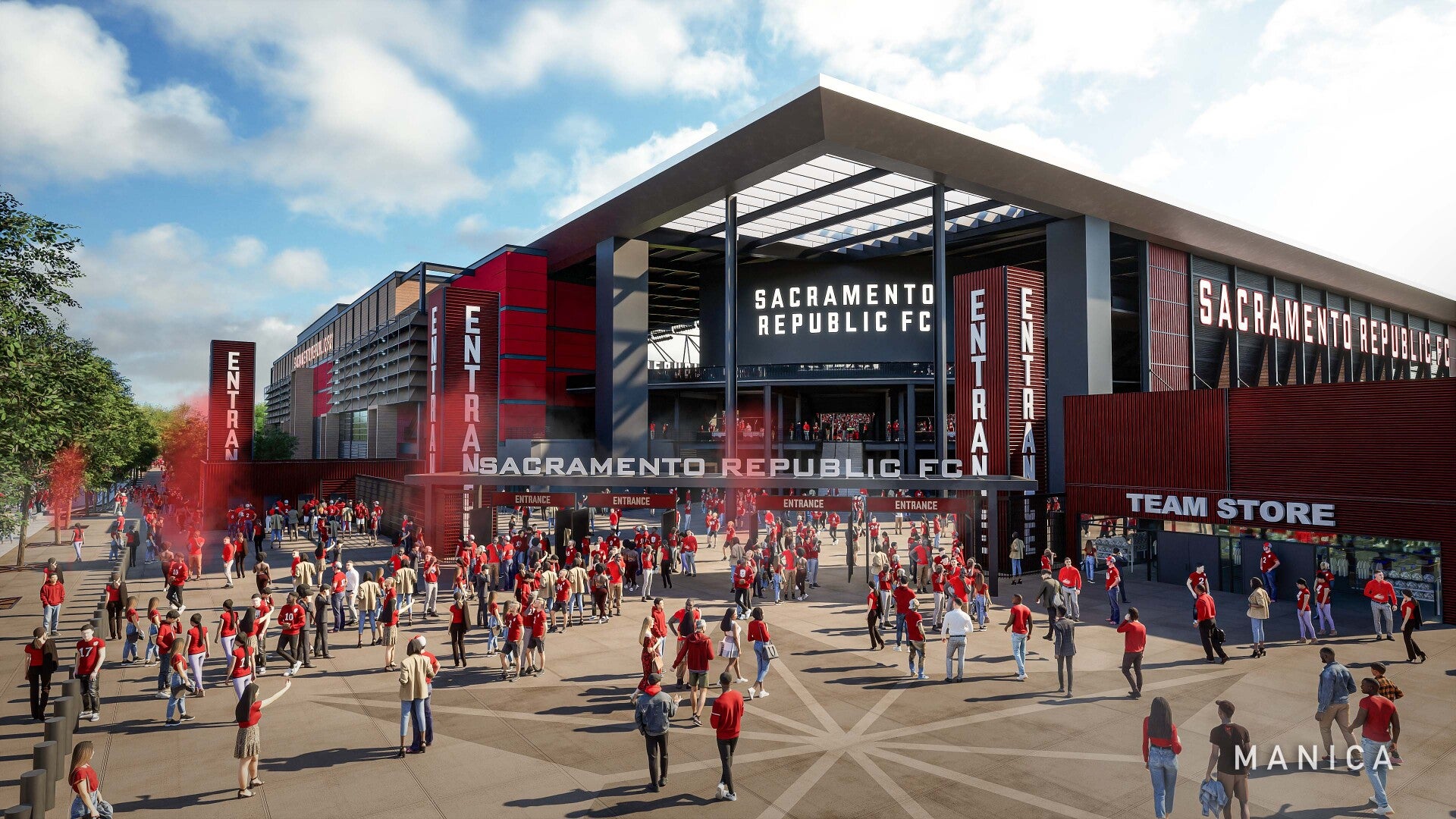
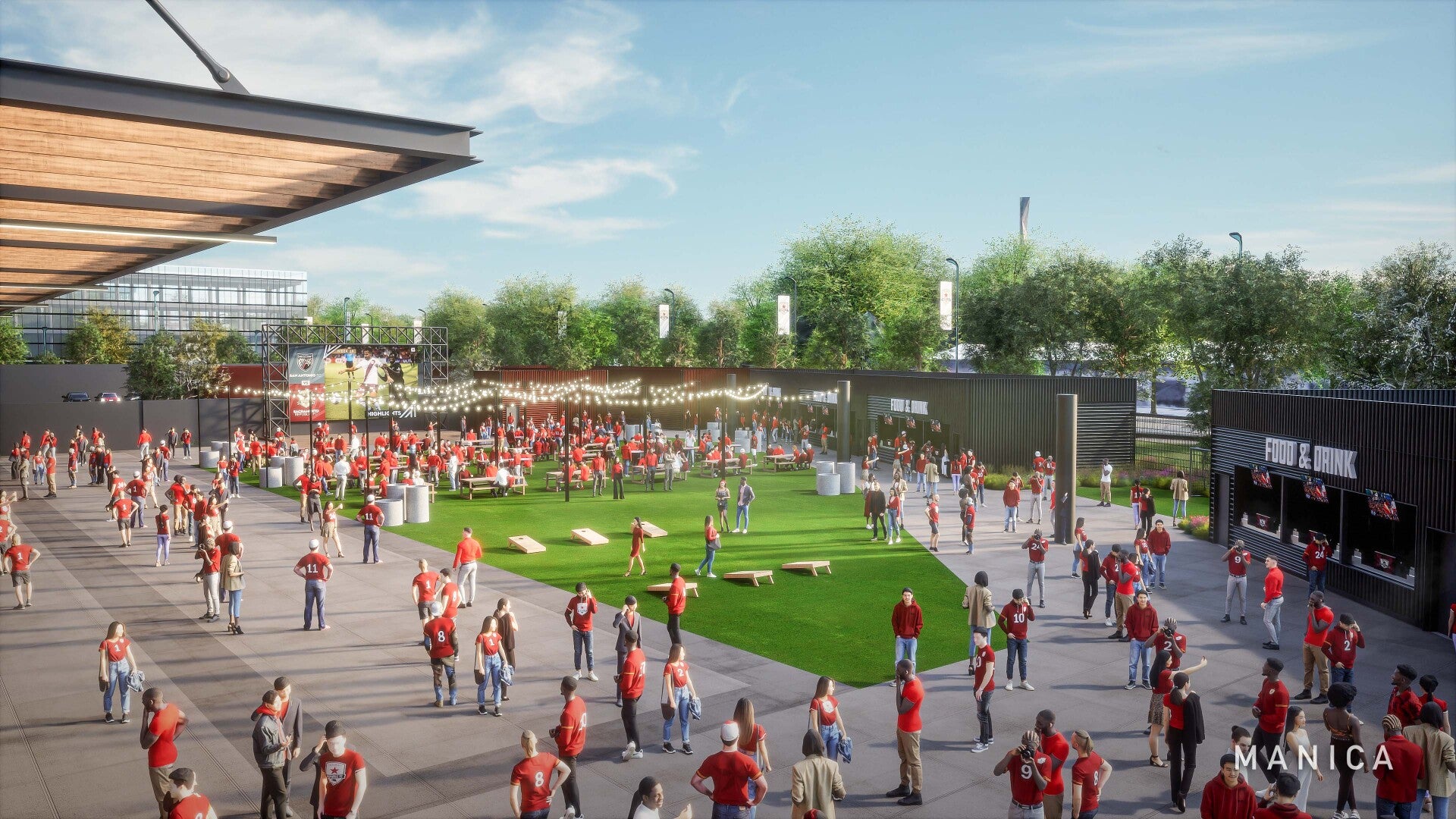
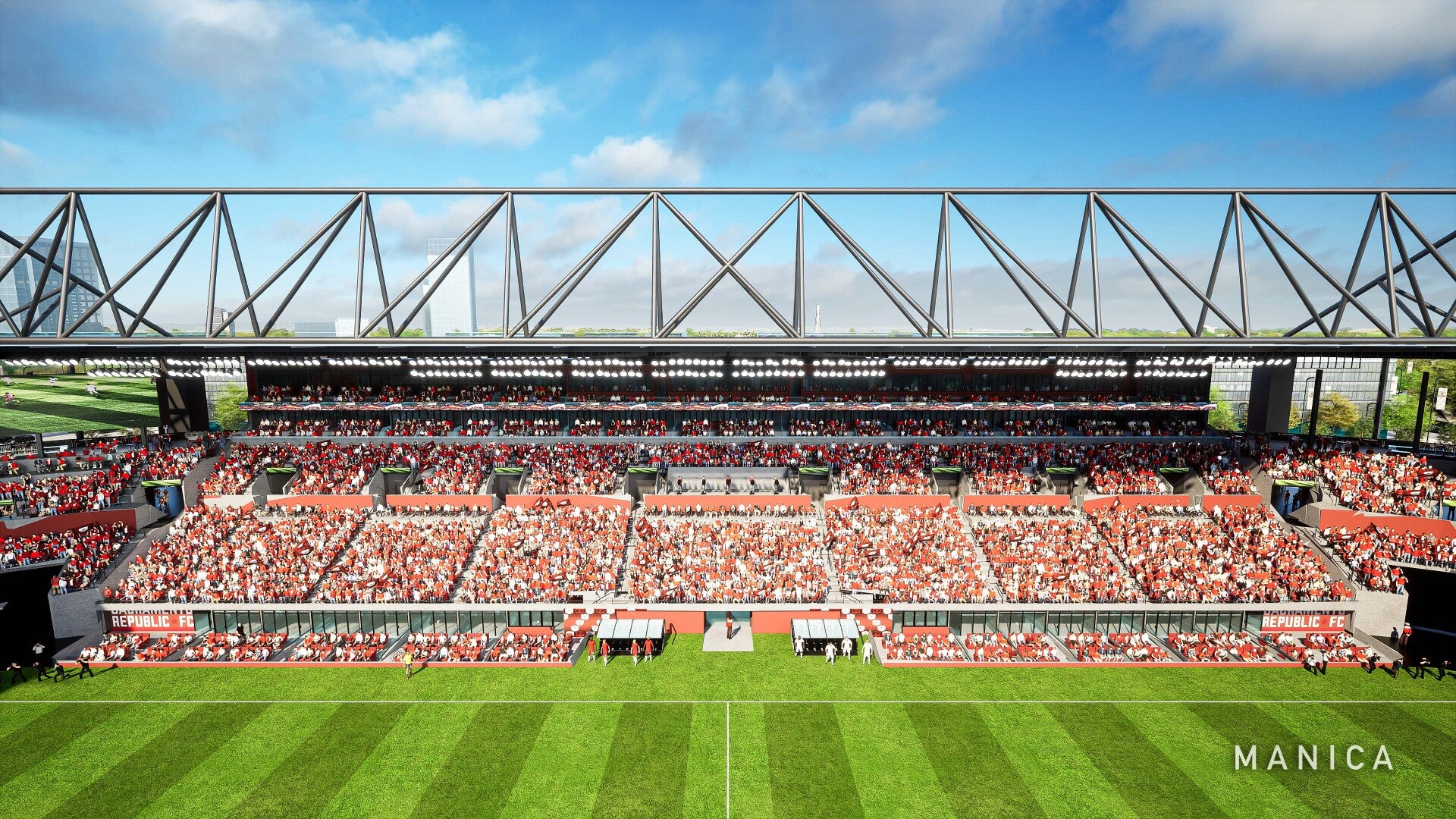
What the stadium will physically include is still being finalized, but expectations are clear. A modern soccer-first design with steep sightlines, a strong supporters’ section, premium seating options, and the ability to host concerts and other large events. The intention is flexibility without losing the intimate, high-energy feel that has defined Republic matches.
For Sacramento, this is bigger than soccer. The Railyards project has long needed a catalyst, something that pulls people in and keeps them coming back. A stadium does that. It creates rhythm in a neighborhood. It brings life to empty blocks. It connects downtown to a part of the city that has been waiting for its turn.
This time, Sacramento is not chasing a league. It is building a home. And if the rest follows, it will be because the foundation finally matched the ambition.
For more Info: Click HERE